I'm Automating My Own Job, and Nobody Notices
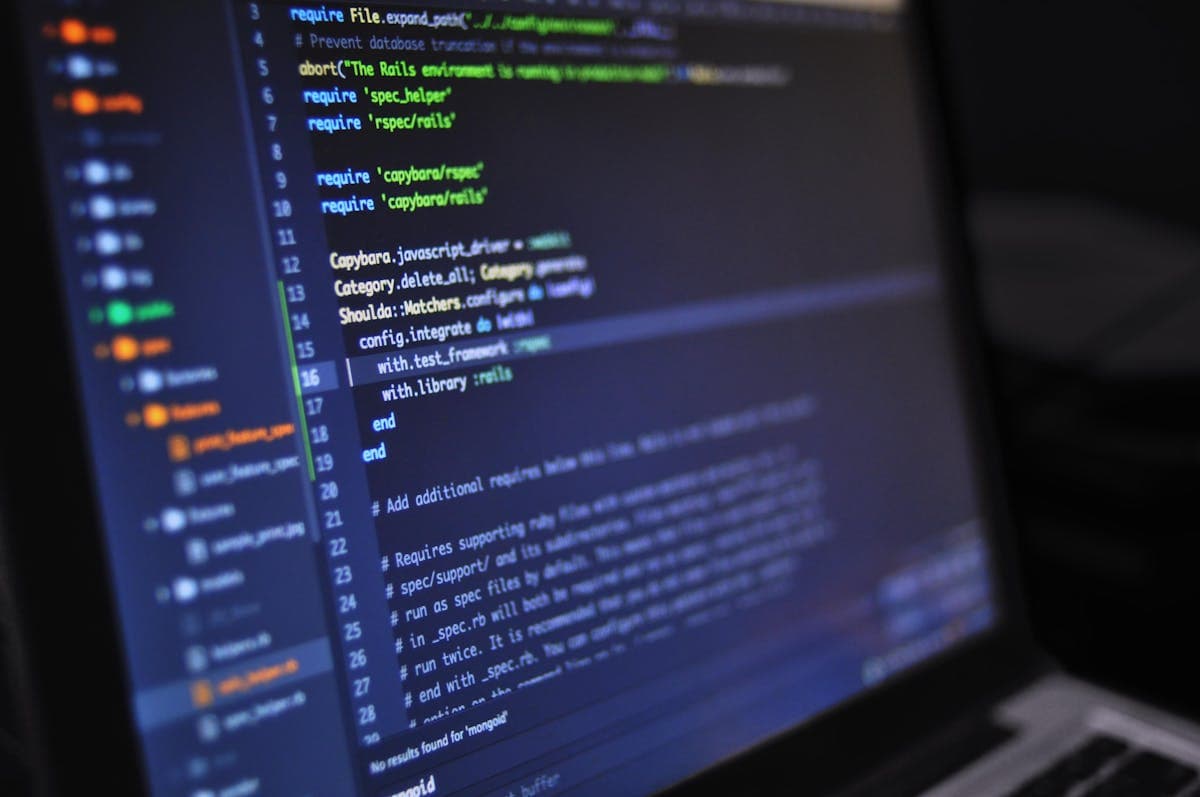
I'm building pipelines that automate my job. And I'm a teacher.
Not someday. Not as a thought experiment. Right now. Every evening I sit at my computer and teach an AI to do things I do during the day in the classroom. Every tool I finish makes another piece of my daily work obsolete. And the crazy part? I love it.
The Architecture
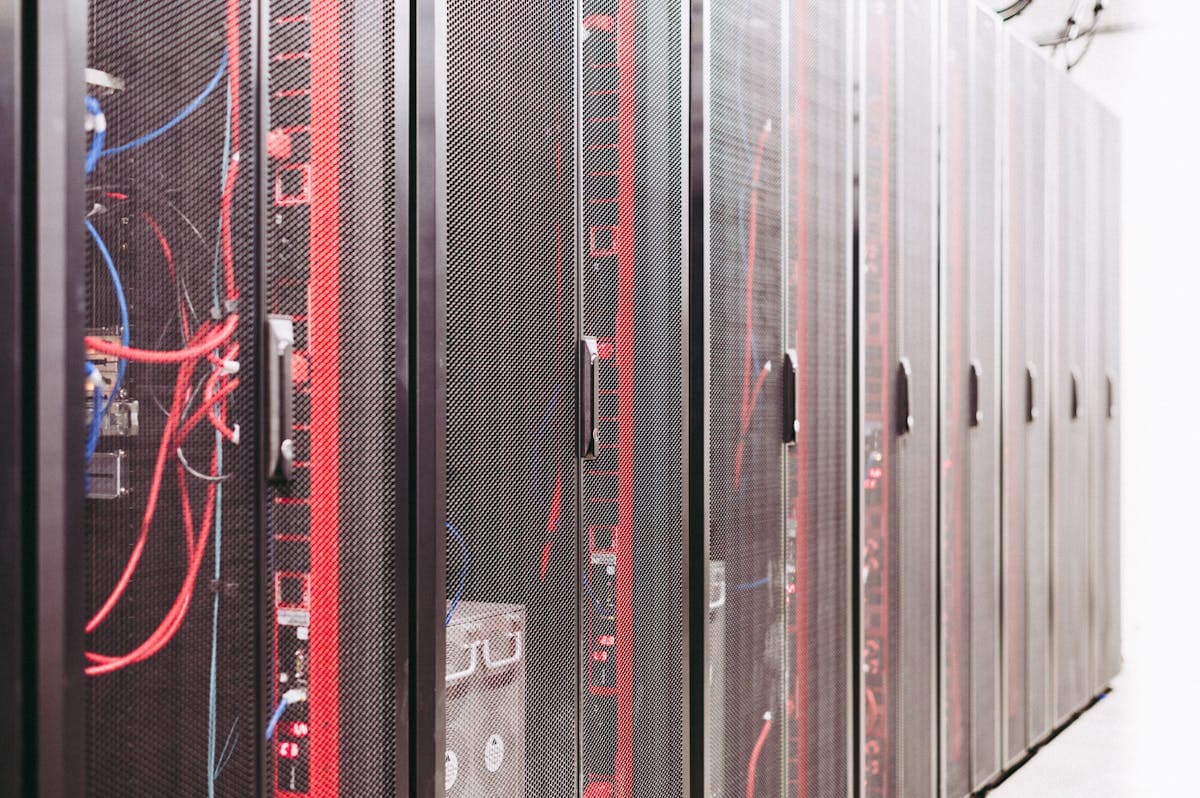
A single Hetzner server. 12 Docker containers behind a Traefik reverse proxy. That's the nervous system.
Moodle MCP with 73 tools: create courses, generate quizzes, manage users, optimize sections. WordPress MCP for the blog. IMAP MCP for email management. Teams MCP and SharePoint MCP for the school's Microsoft ecosystem. Voice MCP with Whisper and Kokoro for speech-to-text and text-to-speech.
One server. 12 containers. Everything a school's IT department does, in code.
The principle is called Model Context Protocol. An AI gets tools and decides on its own when to use which one. I say: "Create a course for Learning Unit 6." The AI knows it needs the Moodle MCP first, then the H5P generator, then the WordPress MCP for documentation. I don't tell it any of that. It just knows.
What I'm Actually Automating
Not small things. Not edge processes. The core.
Moodle courses from curriculum documents: I give the AI the framework plan, it creates the course structure with sections, descriptions, learning objectives. What used to cost me half a day takes three minutes.
H5P quizzes, 16 content types: Multiple Choice, Drag & Drop, Fill in the Blanks, Interactive Video, Branching Scenarios, Course Presentations. The AI generates the content, packages it as an .h5p file, uploads it to Moodle, and creates the activity. All in a single pass.
Worksheet PDFs in the school's corporate design: Navy headings, the school logo, task cards with numbered circles, answer boxes, calculation rows in Courier New. Pixel-perfect. Every time. Puppeteer renders the HTML to PDF, and it looks like I spent hours in InDesign.
Email management: Read incoming emails, categorize them, add appointments to the Teams calendar, derive tasks. What costs 20 minutes in the inbox every morning, the pipeline handles in seconds.
Blog publishing: Write an article, find images on Pexels, upload to WordPress, set SEO tags, translate into five languages. One command.
A Typical Evening
It's 9 PM. I say: "Create a quiz for Learning Unit 6, topic contract disputes, 15 questions, mixed Multiple Choice and Drag & Drop."
Under the hood: The AI analyzes the topic, generates 15 questions with distractors, creates two H5P files: one for Multiple Choice, one for Drag & Drop. The Moodle MCP uploads both, creates the activities in the right course section, sets the grading, configures the attempts.
I sip my tea. 30 seconds later the quiz is live.
What used to take 45 minutes of manual clicking through Moodle forms (question by question, answer by answer, grade by grade) now takes one sentence and a sip of Earl Grey.
Then I say: "Analyze section 3 of the course for 4K deficits." The AI checks the section for Creativity, Critical Thinking, Communication, and Collaboration. It finds: too much passive reading, no interactivity, no peer feedback. It suggests three concrete improvements, with code.
I say: "Do it." It does.
Why Nobody Notices
The outputs look identical. A Moodle quiz looks the same whether I clicked through it for 45 minutes or said one sentence. A worksheet in corporate design looks professional. Nobody asks whether it took three hours or three seconds.
Colleagues see the results and assume manual work. "Impressive how much you get done." Yes. Because I'm not doing it myself anymore.
The school system has no concept for "teacher automates teaching." There's no category for it. No forms. No policy agreement. So it falls through every grid. Like stigmergy: the most effective changes are the ones nobody controls and nobody notices until they're done.
The Uncomfortable Question
If a single teacher can automate 80% of their content creation (with a server costing 30 euros a month and open-source tools), what does that mean for 800,000 teachers in Germany? For millions worldwide?
The answer is uncomfortable: The majority of what teachers call "lesson preparation" is automatable. Not in theory. Now. The tools exist. They work. They're better than what most schools call "digitalization."
I argued in The Last Teacher that the teaching profession has no future. This article is the proof. Not as a thought experiment. As running infrastructure.
What Remains
What automation doesn't replace: The moment a student understands for the first time why math makes sense. The conversation in the hallway when a student tells you things are rough at home. The decision of when a worksheet is exactly right, and when to set it aside and just talk.
I automate the 95% so I can be present for the 5%. The 5% that no algorithm can deliver. The 5% that are the reason I became a teacher in the first place.
The rest? That's what containers are for.
This is part of a series. Also read: The Last Teacher and Stigmergy in the Classroom.
Related Articles
February 15, 2026
What started as a simple fix turned into an ecosystem of 12+ MCP servers with 100+ tools for AI-powered education.

Die Schulzentrale kündigt TaskCards. Ich baue in fünf Tagen eine barrierefreie, self-hostbare Alternative, zeige sie, und sie nehmen trotzdem das Original. Über den Macher-Reflex, seine Grenze und eine Schranke, die gerade verschwindet.

April 12, 2026
78% of commercial job tasks are automatable. 184 hours of development per hour of e-learning. And we only attempt things we believe we’re capable of. Three barriers that AI is blowing apart right now, and what it means for education.