Guerilla Gardening: Direct Action for Greener Cities
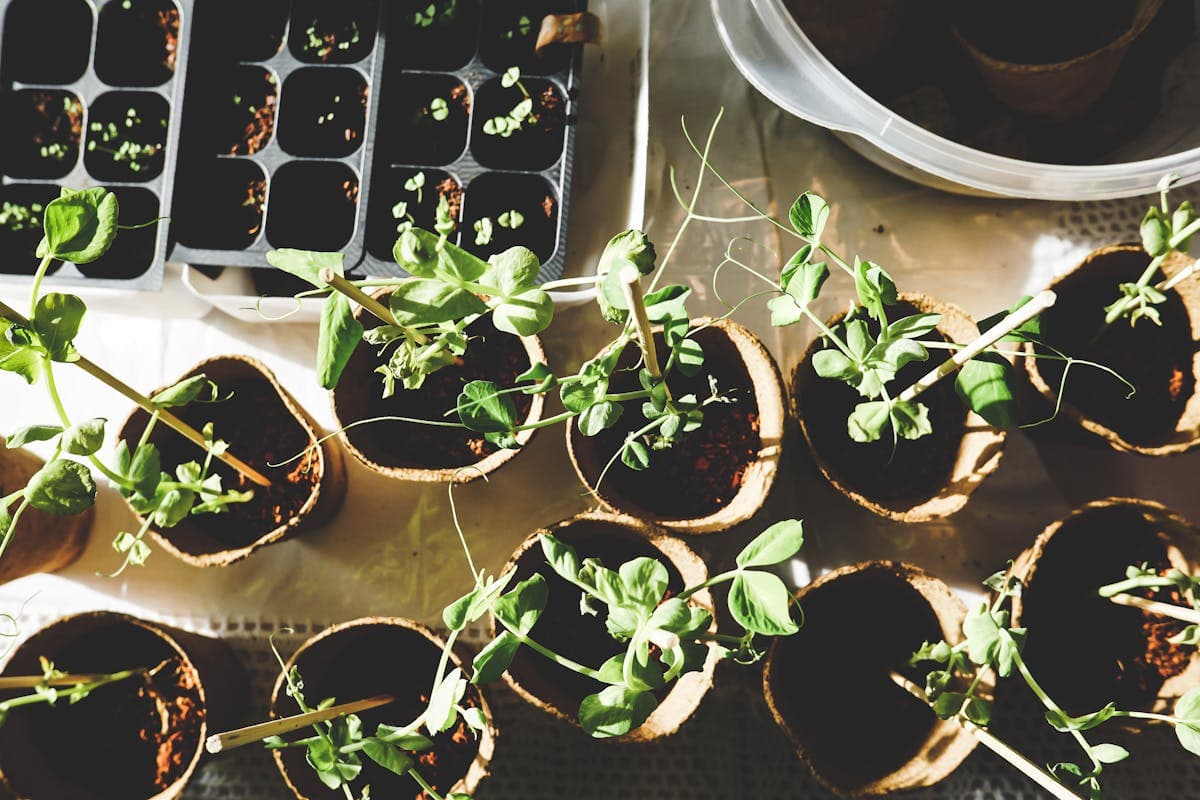
It's three in the morning. A woman is kneeling on a grass strip in Hamburg-Altona, a working-class neighborhood in northern Germany, pressing seedlings into the soil. Nobody asked her to. Nobody approved it. Tomorrow morning, commuters at the bus stop will see sunflowers where yesterday there was nothing but dog waste and cigarette butts.
That's guerilla gardening. And it's one of the most beautiful examples of a principle that has fascinated me for years: Stigmergy: acting instead of voting.
Where does it come from?
The modern guerilla gardening movement has its roots in 1970s New York City. The city was bankrupt, entire neighborhoods were falling apart, lots sat vacant. Liz Christy and her "Green Guerillas" (yes, with one L) started throwing seed bombs over fences and turning abandoned lots into gardens.
Nobody commissioned them. Nobody gave permission. They just did it.
And then something remarkable happened: Others joined in. Not because someone organized them. But because the result, a blooming garden where there had been trash, was an invitation. A signal. A trail others could follow.
Why people press seeds into soil that isn't theirs
The motivations are as varied as the gardeners themselves.
Ecological: Every plant is a microhabitat. Bees, butterflies, beetles: they all need blossoms in the city. A planted grass strip isn't a luxury; it's infrastructure for ecosystems.
Social: A garden transforms a place. Where flowers grow, people throw less trash. That's not wishful thinking; it's the Broken Windows Theory in reverse. Care attracts care.
Personal: Few things are as satisfying as working with your hands in the soil, knowing that tomorrow something will bloom that wouldn't exist without you. In a world where most jobs are abstract and most results invisible, gardening is radically concrete.
Practical tips
You want to start? Good. Here's what I've learned.
Seed bombs
The simplest method. Mix seeds, compost, and clay in a 1:3:5 ratio. Form balls, let them dry. Toss them onto barren ground after the next rain. Nature does the rest.
Good seeds to use: marigolds, cornflowers, red poppies, sunflowers, phacelia. Anything that's tough and attracts pollinators.
Locations
Not every patch of ground is suitable. Good candidates:
- Tree pits: the soil around street trees that nobody tends to
- Traffic islands: often forgotten, often ugly, often easy to plant
- Vacant lots: empty properties, abandoned rail beds
- Grass strips: the patches of lawn between sidewalk and street
Bad candidates: Private property (obviously), well-maintained parks (someone's already taking care of those), contaminated soil (former industrial sites: stay away).
Choosing plants
Go with native species. They need less care, support local ecosystems, and survive the winter. Exotics look pretty, but they don't help anyone except your Instagram account.
For beginners: Plant crocus bulbs in autumn. They come back every year, need zero maintenance, and are the first splashes of color in February.
The legal grey zone
In Germany, guerilla gardening is neither clearly legal nor clearly illegal. The legal situation varies depending on the type of land, and similar ambiguity exists in most countries.
Public green spaces: Technically you need a permit. In practice, it's rarely enforced, unless you pave over an area or plant invasive species. Most municipalities turn a blind eye when the result looks better than what was there before.
Tree pits: Many cities, Hamburg included, explicitly allow or tolerate planting, as long as the trees aren't damaged. Some even offer adoption programs for tree pits.
Private land: This is where it gets tricky. Don't do it. Even if the lot looks abandoned, it belongs to someone.
My rule of thumb: Plant in a way that nobody can complain about. Flowers on a neglected tree pit won't trigger the authorities. A vegetable garden on a highway median will.
When grassroots becomes policy
Here's the fascinating part: What starts as an illegal act often becomes official policy.
Liz Christy's first guerilla garden in New York? It still exists today, as an official Community Garden, protected by the very city that once fought against it.
In Germany, dozens of cities now have official tree pit programs. Not because a city councillor had the idea. But because enough people simply started doing it, and the results were so compelling that the politicians had to follow suit.
That's stigmergy. Someone acts. The result changes the environment. Others respond to the changed environment. No vote. No committee. No permit.
More than flowers
For me, guerilla gardening is more than a hobby. It's an attitude. The attitude that you don't need to ask permission to make the world better. That direct action is more effective than any petition. That a single person with a bag of seeds accomplishes more than a committee with an annual budget.
I carry this attitude into everything I do. Into my teaching. Into my software projects. Into the way I think about education.
The world doesn't need more permits. It needs more people pressing seeds into the earth.
So: What are you waiting for?
Related Articles
January 2, 2026
How the biological principle of stigmergy has fundamentally changed the way I work.

Die Schulzentrale kündigt TaskCards. Ich baue in fünf Tagen eine barrierefreie, self-hostbare Alternative, zeige sie, und sie nehmen trotzdem das Original. Über den Macher-Reflex, seine Grenze und eine Schranke, die gerade verschwindet.
May 10, 2026
Drei Tage Reflexion über das, was zwischen mir und meinem KI-Setup tatsächlich passiert. Vom Wald in Mitteleuropa über Mykorrhiza-Netzwerke zu MCPs und Skills: warum mein Setup Waldboden ist, nicht Saatgut.